
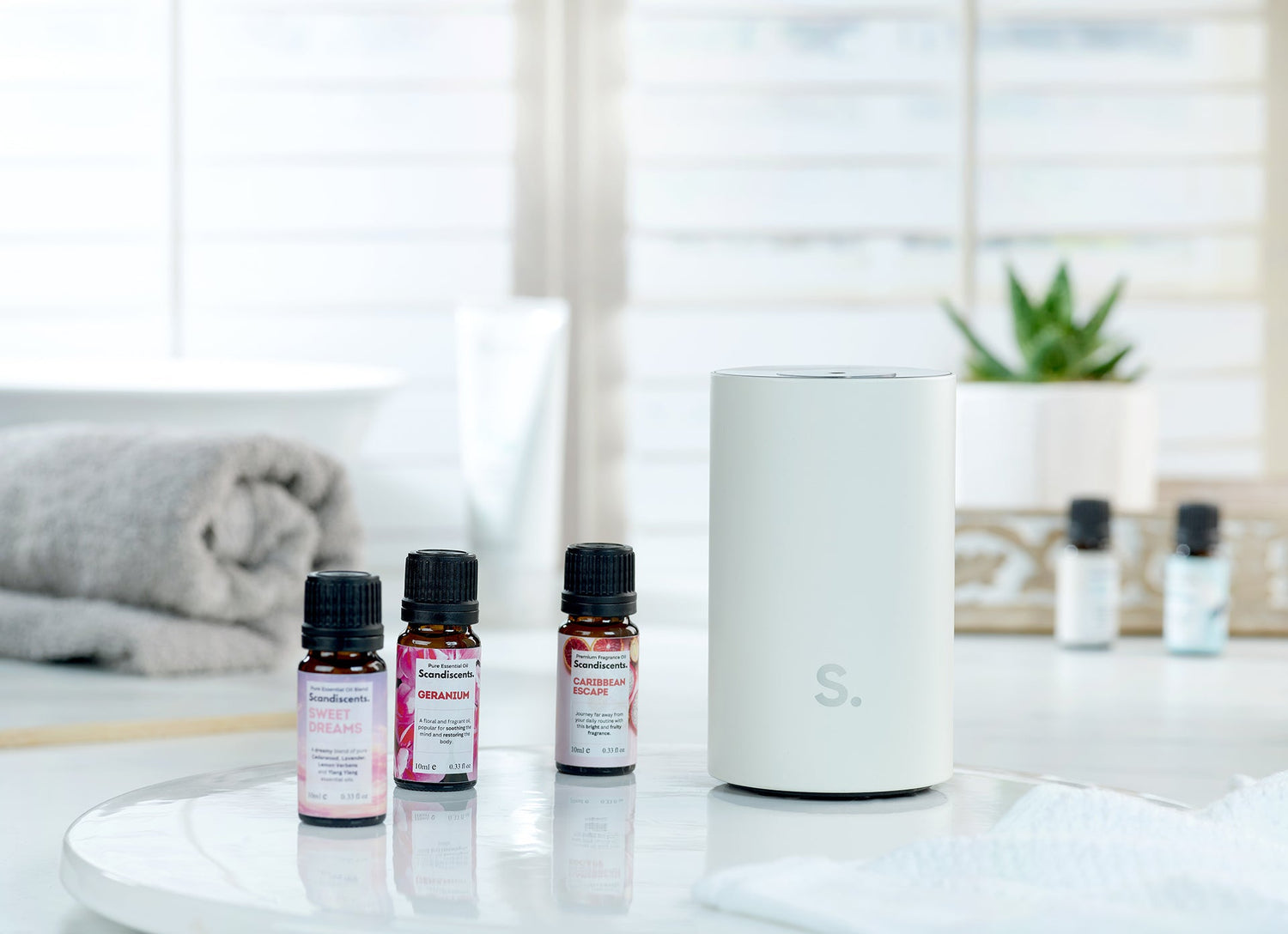
As spring approaches or damp weather sets in across the UK, many of us brace ourselves for the familiar, unwelcome guests: sneezing fits, itchy eyes, and that relentless stuffy nose. Whether it's hay fever in June or dust mites in December, allergies are a year-round battle for millions.
In the search for natural relief, many are turning to aromatherapy. But is an aroma diffuser just a pleasant home accessory, or can it actually help clear the air?
At Scandi Scents, we believe in wellness backed by science. While no gadget is a "cure" for allergies, the right aromatherapy diffuser—paired with specific essential oils—can be a powerful tool in managing symptoms. In this guide, we dive into the research, explain why waterless diffusers might be the superior choice for allergy sufferers, and reveal the best oils to help you breathe easier.
The Science: Can Essential Oils Reduce Allergy Symptoms?
The short answer is: Yes, certain oils show promise.
Research suggests that specific essential oils possess anti-inflammatory and antihistamine properties that can alleviate the symptoms of allergic rhinitis (hay fever).
- Eucalyptus: A 2014 study highlighted in Medical News Today found that inhaling eucalyptus oil significantly improved nasal congestion. The compound 1,8-cineole (eucalyptol) acts as a natural decongestant, breaking down mucus.
- Peppermint: Known for its cooling sensation, peppermint oil contains menthol, which can help relax the muscles of the respiratory tract, making breathing feel easier during a flare-up.
- Tea Tree: Famous for its antimicrobial properties, tea tree oil can reduce inflammation. One study showed it decreased swelling from histamine-induced skin inflammation—a key player in allergic reactions.
Using an aromatherapy diffuser electric unit allows you to disperse these therapeutic compounds into the air, creating an environment that supports your respiratory health.
Why the Type of Diffuser Matters: Water vs. Waterless
If you suffer from allergies, the type of diffuser you choose is critical. Standard ultrasonic diffusers use water to create a mist. While popular, they have two downsides for allergy sufferers:
- Humidity: They add moisture to the air. In damp UK homes, excess humidity can encourage the growth of mold and dust mites—two major allergens.
- Mold Risk: If not cleaned meticulously, the water tank itself can become a breeding ground for bacteria and mold spores, which are then sprayed into the air you breathe.
The Waterless Advantage
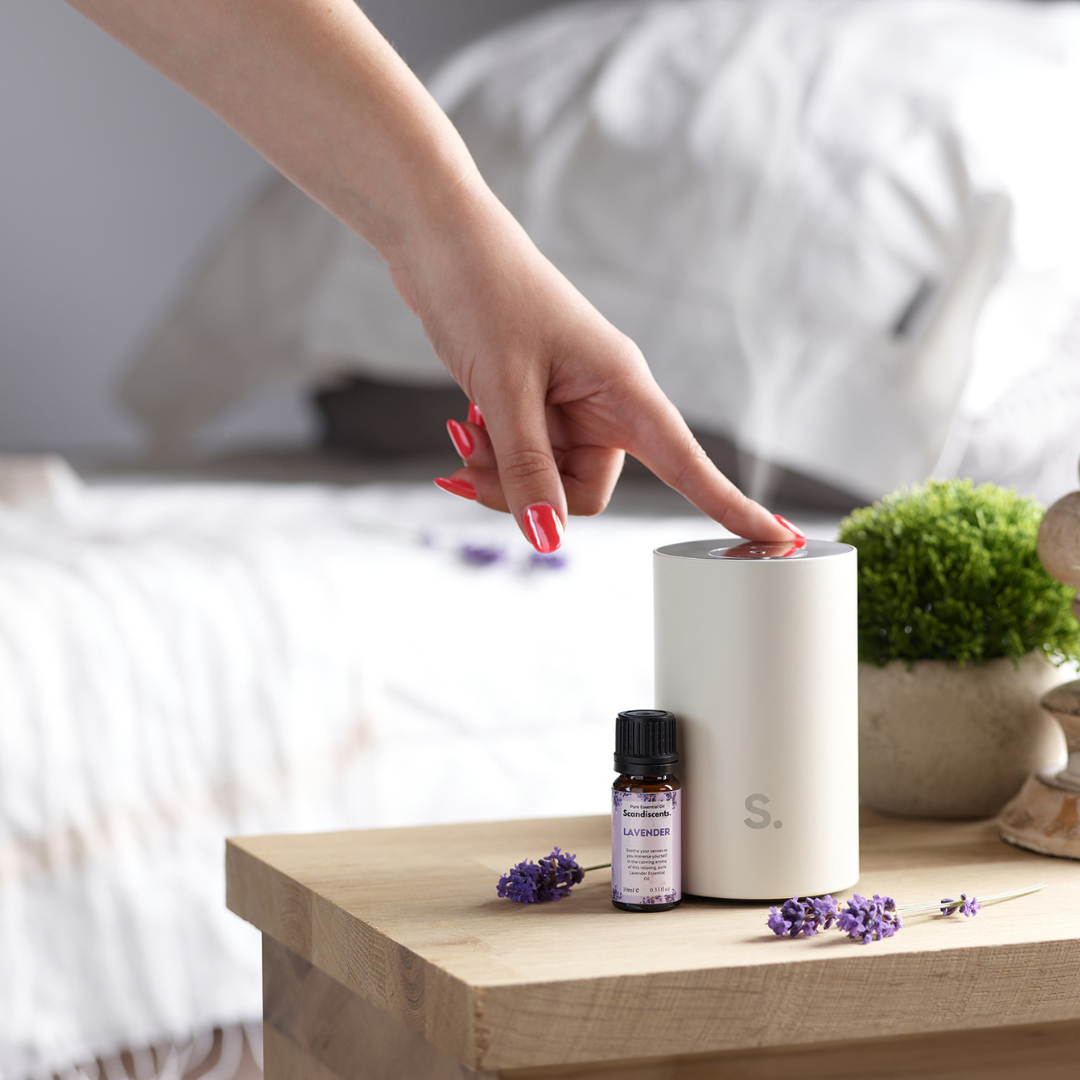
This is why we champion the Waterless Diffuser. Using cold-air nebulising technology, these devices atomise pure essential oils directly into the air without water or heat.
- No Added Humidity: Perfect for keeping dust mites at bay.
- Purity: You inhale 100% pure oil, not a diluted water vapour.
- Hygiene: No standing water means zero risk of internal mold growth.
For someone with sensitive airways, a best aromatherapy diffuser is often a waterless one.
Best Essential Oils for Allergy Relief
To get the most out of your aroma diffuser benefits, you need the right fuel. Here are the top oils to diffuse when pollen counts are high:
1. The "Open Airways" Blend
- Eucalyptus + Peppermint: A powerhouse combo for congestion. The menthol provides an immediate cooling sensation, while the eucalyptus works to thin mucus.
2. The "Calm & Clear" Blend
- Lavender + Lemon: Lavender is a natural anti-inflammatory that can soothe swollen sinuses and help you sleep, while lemon oil has been shown in some studies to inhibit bacterial growth and improve nasal symptoms.
3. The "Purify" Blend
- Tea Tree + Lemon: Ideal for purifying the air in your home. This blend helps tackle airborne bacteria and gives your room a crisp, clean scent.
DIY Aromatherapy: How to Use Your Diffuser Safely
While an automatic aromatherapy diffuser makes the process easy, safety is paramount.
- Intermittent Use: You don't need to run the diffuser 24/7. 30-60 minutes is often enough to saturate the room with therapeutic benefits.
- Pet Safety: Be careful with tea tree and peppermint oils around dogs and cats, as they can be toxic if ingested or inhaled in high concentrations. Always ensure your pet can leave the room.
- Quality Matters: Use high-quality, pure aromatherapy diffuser essential oils. Synthetic fragrances may smell nice but can actually trigger allergy symptoms rather than relieve them.
Can a Diffuser Replace Medicine?
No. An aroma diffuser is a complementary therapy. It works best alongside your prescribed antihistamines or nasal sprays, not as a replacement. Think of it as environmental control—helping to create a soothing, cleaner-feeling space where your body can relax.
FAQs About Diffusers and Allergies
Q: Can a diffuser make my allergies worse?
A: If you use low-quality synthetic oils or don't clean your device, yes. Synthetic fragrances are common irritants. Also, a dirty water-based diffuser can spray mold spores. This is why we recommend waterless diffusers and 100% pure essential oils.
Q: How often should I clean my diffuser?
A: A water-based diffuser needs cleaning after every use to prevent mold. A waterless diffuser is much lower maintenance; you typically only need to run a little rubbing alcohol through it once a month to keep the nozzle clear.
Q: Is lavender oil good for hay fever?
A: Yes! Lavender is a natural anti-inflammatory and can help calm the immune system's response to allergens. It’s particularly good for night-time use to help you sleep through the sniffles.
Q: Do I need a specific diffuser for large rooms?
A: Yes. Waterless (nebulising) diffusers are generally more powerful and better suited for large, open-plan spaces compared to small ultrasonic units.
Q: Can I mix oils myself?
A: Absolutely. A diy aromatherapy diffuser blend of Peppermint, Lemon, and Lavender is a classic allergy remedy known as the "allergy trio."
Breathe Better This Season
While we can't control the pollen count outside, we can control the air inside our homes. By switching to a hygienic waterless diffuser and utilizing the natural power of eucalyptus and peppermint, you can create a sanctuary from the sneezing.
Upgrade your air, support your sinuses, and reclaim your comfort.
Ready to clear the air?
Visit Scandi Scents to shop our premium Waterless Diffuser and start your journey to better breathing.
Scandi Scents
Address: 45 Fitzroy Street, Fitzrovia, London, W1T 6EB, UK
Phone: 0800 145 5033
Email: contact@scandiscents.com


Leave a comment
This site is protected by hCaptcha and the hCaptcha Privacy Policy and Terms of Service apply.